
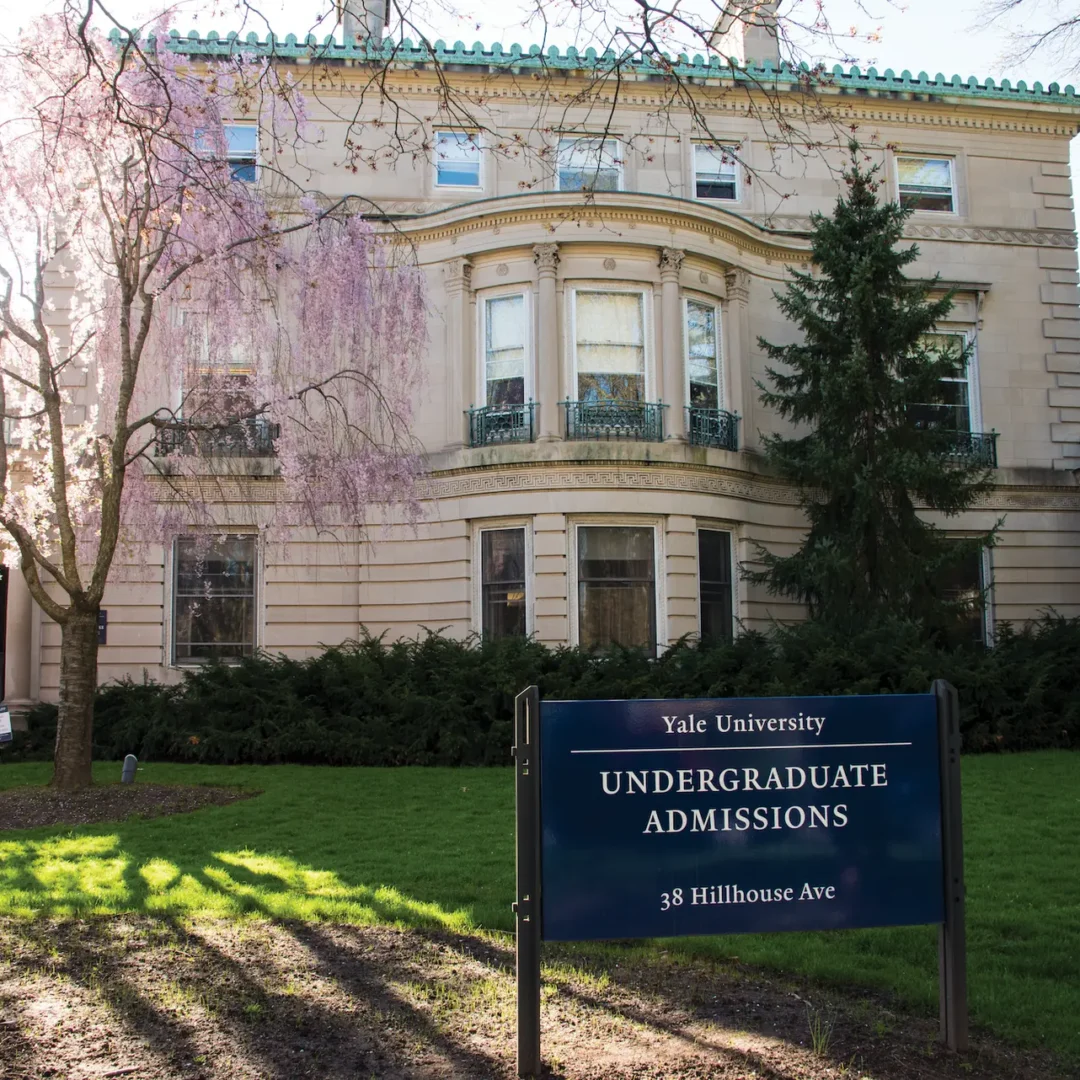
“When selective admissions seem so inexplicable—or, worse, tilted in ways that benefit the already advantaged—it should come as no surprise that many Americans do not trust the process.”
— Report of the Yale Committee on Trust in Higher Education (April 2026)
In April 2026, Yale University released a candid 58-page Yale Trust Report that directly criticizes the current state of elite college admissions. Commissioned by President Maurie McInnis, the Yale Committee on Trust in Higher Education delivered a rare self-assessment highlighting why public confidence in top universities has plummeted—and why holistic admissions feels opaque and unfair to many families.
Just days later, President McInnis publicly endorsed many of the findings and referred the admissions recommendations to Yale’s Presidential Council on Yale College Admissions for review.
For high-achieving students targeting Yale, Harvard, Stanford, Princeton, MIT, or competitive BS/MD programs in the 2026–2027 cycle and beyond, this report signals potential shifts toward greater transparency and academic merit. Here’s a clear breakdown of the key findings and practical strategies to adapt.
Why Yale’s Own Faculty Called Out Holistic Admissions
The report argues that elite universities enjoy significant public benefits (tax-exempt status and federal funding) yet operate admissions processes that outsiders find difficult to understand or trust. Unlike many international systems with clear, rule-based criteria, U.S. selective colleges rely on highly subjective “holistic review.”
The committee identifies three major issues eroding trust in elite college admissions:
- No published minimum academic standards Yale’s admissions website states that “all aspects” of an application are considered, with no score cutoffs or minimum thresholds. This invites thousands of unqualified applicants while making it hard for families to assess realistic chances.
- Preferences that disproportionately benefit the already advantaged Legacy admissions, recruited athletes, children of donors/faculty/staff, and (pre-2023) race-conscious policies create significant edges. Citing research including work by economist Raj Chetty, the report notes that top 1% income applicants receive substantial advantages—roughly half from legacy preferences and one-quarter from athletics. The Varsity Blues scandal is cited as an extreme example of how these preferences can be gamed.
- An opaque and subjective holistic process What started in 1967 as an effort to identify leadership potential has evolved into a system the public struggles to explain. The committee describes it as “subjective and hard to explain,” undermining perceptions of fairness and meritocracy.
Yale’s Three Key Recommendations for Admissions Reform
Of the report’s 20 total recommendations, three focus specifically on undergraduate admissions. They push for transparency, reduced preferences, and renewed emphasis on academic excellence:
- Yale should only use admission criteria it is willing to describe publicly and defend openly, with academic achievement as the top priority.
- Reduce preferences for special categories of applicants, including legacies, recruited athletes, and donor-related cases.
- Establish and publicly disclose a minimum standard of academic achievement necessary for consideration (potentially including a minimum SAT/ACT score or a Yale-specific threshold). This would reduce wasted effort from applicants with little chance of admission.
These suggestions, if implemented, represent meaningful Yale admissions reform 2026 and could influence practices at peer institutions.
What This Means for Competitive Applicants in 2026–2027
If elite colleges move toward greater transparency and merit focus, verifiable academic strength will likely gain even more weight. Here’s how ambitious high school students can position themselves for success amid potential holistic admissions changes:
- Double down on academic excellence — Prioritize top grades in the most rigorous coursework available, strong standardized test scores (where submitted), and national/international academic recognition. A clear “spike” in one or two intellectual areas often stands out.
- Develop depth over breadth in extracurriculars — Focus on meaningful, sustained impact that aligns with your academic interests rather than a long list of superficial activities.
- Build an authentic, coherent application narrative — Emphasize intellectual curiosity, genuine achievement, and personal growth instead of relying on diminishing “hooks.”
- Use any new thresholds strategically — Public minimum standards (if introduced) will help families make more informed school lists and avoid over-applying to unrealistic reaches.
At Archimedes Advising, we specialize in helping highly competitive students navigate these evolving Ivy League admissions landscapes. Our merit-focused, individualized strategies have helped clients gain admission to Yale, Stanford, and other top programs by emphasizing academic rigor and authentic excellence—even as rules shift.
Broader Issues Addressed in the Yale Trust Report
Beyond admissions, the report examines other factors damaging public confidence:
- Skyrocketing costs and confusing “high-tuition, high-aid” models.
- Extreme grade inflation (A/A- grades at Yale rose dramatically over decades).
- Political imbalance among faculty and concerns about free speech and self-censorship.
- Rapid administrative growth and questions about core curriculum requirements.
Collectively, these issues contribute to widespread skepticism about the value and fairness of elite higher education.
The Bottom Line for 2026–2027 Applicants
Yale’s Trust Report is a significant acknowledgment that opaque admissions practices and other institutional issues have fueled declining trust. While full implementation of reforms remains uncertain, the direction points toward more transparency and a stronger focus on academic merit.
For driven students and families, this creates both challenges and opportunities. Those who prioritize genuine excellence, strategic preparation, and a clear record of achievement will be best positioned to succeed in the next admissions cycles.
Are you are Sophomore or Junior ready to build a competitive profile that stands up to changing elite college admissions standards? Schedule a free 30-minute consultation call with Archimedes Advising today. We help top high school students translate institutional shifts into clear, merit-centered advantages for Ivy League and top-tier admissions.
Further Reading: